

Does buyer feedback after each viewing really reveal what’s holding your sale back? Ask your estate agent for more than a vague summary: find out what buyers liked, where they hesitated, and whether they questioned the price, layout, presentation, or condition. Compare comments across viewings to identify recurring concerns, then ask what you should change in your marketing or preparation—and when the evidence justifies adjusting the asking price.
Key Takeaways
- Ask what buyers liked, disliked, and felt about the property on arrival, during the viewing, and when leaving.
- Ask which specific objections they raised, including concerns about layout, condition, storage, light, noise, parking, or location.
- Ask whether buyers considered the asking price fair and what features influenced their perception of value.
- Ask whether similar objections have appeared in previous viewings and how frequently they affect buyer interest.
- Ask which practical changes to presentation, marketing, repairs, or pricing could improve reactions before the next viewing.
What Was the Buyer’s Overall Reaction?

Ask your estate agent to describe the buyer’s overall reaction, not just whether they liked the property. Find out whether the viewing created genuine enthusiasm, cautious interest, or immediate reservations.
Ask what emotional response the buyer showed on arrival, during the tour, and when leaving. Did they appear comfortable, engaged, uncertain, or *enthusiastic* to discuss an offer?
Request comments about the home’s general impression, including its condition, atmosphere, location, and neighborhood appeal.
Ask whether anything caused hesitation, such as noise, traffic, maintenance concerns, or an unsuitable layout.
Then ask how the buyer’s response compared with reactions from previous viewings. If reservations repeat, discuss practical solutions, including targeted staging improvements, clearer listing information, or a pricing review.
This feedback helps you identify the property’s broad strengths and address barriers before your next viewing.
Which Features Did Buyers Like Most?
Find out which features buyers praised most, such as the natural light, room proportions, garden, storage, finishes, or location. Ask your agent to identify repeated comments rather than relying on one enthusiastic reaction. You’ll learn which selling points deserve more prominence in the listing, photographs, and viewings.
Check whether buyers noticed improvements created through Home staging, including furniture placement, lighting, decluttering, or colour choices. If several visitors admire a particular room, ask what caught their attention and whether the feature influenced their interest.
You should also ask how buyers describe the property’s Neighborhood appeal. Do they mention nearby parks, transport, schools, shops, or a peaceful atmosphere? Record these strengths and confirm your agent highlights them consistently.
Use this feedback to refine your marketing, guide future presentation, and focus conversations on the home’s strongest advantages.
What Specific Objections Did Buyers Raise?
Strong features matter, but recurring objections can reveal what’s holding buyers back. Ask your estate agent to record each concern precisely, rather than summarising feedback as “not suitable.” Are buyers mentioning layout, storage, natural light, noise, parking, décor, condition, or access?
Ask how often each objection appears and whether it stops viewings from progressing. You’ll then distinguish isolated preferences from patterns requiring action. Discuss practical responses: could better photographs clarify the layout, could decluttering improve the sense of space, or could repairs address concerns about condition?
Review whether your Marketing approach highlights the property’s strongest solutions and answers common questions before viewings. Ask whether your Pricing strategy needs reconsideration only after you’ve addressed presentation and information gaps.
Request examples of comparable homes attracting stronger reactions, then agree on one measurable change to test.
Did Buyers Mention Price or Value?
If buyers mention price, ask your estate agent whether they see the property as overpriced, poor value compared with similar homes, or simply beyond their budget. Ask how often price concerns appear in viewing feedback and whether buyers identify specific features that fail to justify the asking figure.
This distinction helps you choose the right response. If buyers like the property but hesitate over cost, you might adjust the asking price, strengthen your marketing, or offer greater flexibility on timing and included items.
If they question value perceptions, ask your agent which improvements or presentation changes could make the price feel more credible.
Request exact comments rather than general impressions, and track feedback after every viewing. You’ll then spot patterns, avoid reacting to one buyer, and make a measured pricing decision.
How Does Our Home Compare Locally?
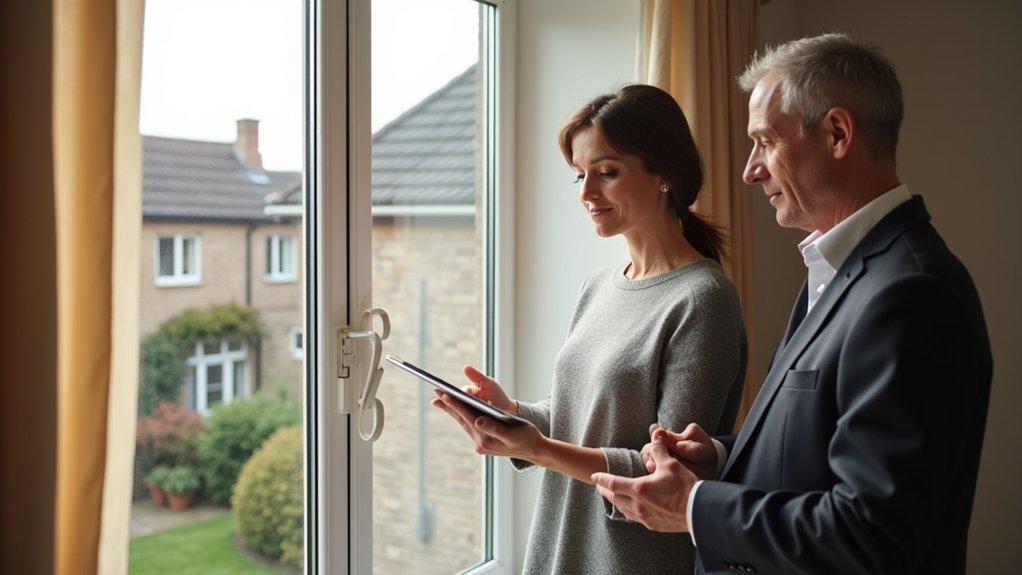
Price feedback becomes more useful when you can compare your home with similar local properties. Ask your agent which recently sold or currently listed homes buyers mention, then compare size, condition, layout, outdoor space, and asking price. Request specific evidence rather than broad comments.
Are competing properties attracting more viewings? Do they offer stronger neighborhood amenities, such as transport links, schools, parks, or shops? Ask whether local market trends favor buyers, sellers, or particular property types.
If comparable homes sell faster, find out what advantage they provide and whether you can address a gap through repairs, improved presentation, or a realistic price adjustment. You should also ask how your home ranks against nearby alternatives for your target buyer.
Use this comparison to refine your strategy, not to copy another property’s price blindly.
Are Marketing Photos Attracting the Right Buyers?
Ask whether your photos accurately represent the property, including its size, condition, and natural light.
Check whether they attract buyers whose expectations match what they’ll see at a viewing.
If enquiries aren’t converting into viewings, ask your agent which images or details should change.
Photo Accuracy
Do the marketing photos accurately represent your home’s size, layout, condition, and natural light? Ask your agent whether viewers said the images matched what they saw. Honest photo presentation and visual accuracy help you identify whether the marketing attracts genuinely suitable buyers.
Ask for specific feedback on:
- Room proportions: Did any space feel smaller or larger than expected?
- Layout: Did the camera angles clearly show connections between rooms?
- Condition: Did photographs hide dated features, wear, or necessary repairs?
- Lighting: Did the home appear as bright in person as it looked online?
If buyers repeatedly mention misleading angles, excessive editing, or omitted areas, request revised images. Use wider, natural-looking shots, photograph every important space, and avoid filters that alter colour or brightness.
Compare feedback after each viewing, then update the listing to improve accuracy and attract better-matched enquiries.
Buyer Expectations
Your agent should tell you whether the marketing photos are attracting buyers whose expectations match your home’s price, size, layout, and condition. Ask which features viewers mention first and whether anyone seems surprised by room proportions, finishes, or the level of updating required.
This feedback can reveal whether Property staging presents the home honestly or makes spaces appear larger, brighter, or more modern than they are.
Ask whether the images communicate practical details, such as storage, parking, outdoor space, and accessibility.
You should also ask if the photos appeal to buyers who value your location’s Neighborhood appeal, rather than attracting interest based only on interiors.
If expectations repeatedly don’t align, discuss revising the image selection, captions, or listing emphasis before changing your asking price or interpreting buyer interest.
Viewing Conversion
Viewing conversion shows whether the marketing photos attract buyers who are genuinely suited to the property, not just people curious about an appealing listing. Ask your agent how many viewers requested second appointments, made offers, or disappeared after seeing the home. Compare those outcomes with the listing’s photos and description.
- Ask which features sparked enquiries and which disappointed viewers.
- Check whether buyers expected different room sizes, finishes, or light.
- Request comments on whether the virtual tour accurately represented the layout.
- Ask whether updated images or staging tips could target better-matched buyers.
If viewers regularly say the property looked larger, brighter, or more modern online, revise the photography promptly. Honest, well-composed images may reduce casual viewings but increase serious interest. Your agent should track conversion patterns after every viewing and recommend specific changes, not vague reassurance or generic marketing claims.
What Should We Change Before the Next Viewing?
Once you’ve reviewed the feedback, ask the agent which changes are most likely to improve buyers’ reactions before the next viewing. Focus on specific, manageable actions rather than general impressions.
If rooms feel dark, replace weak bulbs, open curtains, and clean the windows.
If buyers mention clutter, remove excess furniture, personal items, and crowded shelving.
Ask whether property staging would improve the layout, particularly in empty or awkwardly shaped rooms.
Check for distracting smells, visible repairs, tired paintwork, or untidy outdoor areas, then agree who’ll address each issue and by when.
Your agent can also recommend marketing strategies, such as updated photographs or a clearer listing description, if the presentation looks better in person than online.
Request fresh feedback after the next viewing to confirm which changes worked and identify any remaining concerns.
When Should We Adjust the Asking Price?
If several viewings produce similar concerns about value, ask the agent whether the asking price needs adjusting. Don’t react to one hesitant comment; look for patterns supported by comparable listings, recent sales, and viewing numbers.
Ask your agent to assess:
- Feedback: Are buyers consistently calling the property overpriced?
- Competition: Do similar homes offer more space, condition, or incentives?
- Interest: Are online views strong but enquiries and offers weak?
- Timing: Has the property remained unsold longer than comparable homes?
Review your Pricing strategy with evidence, then agree on a specific reduction rather than making small, repeated changes.
Consider Market timing too: seasonal demand, mortgage conditions, and new competing listings can affect buyer behaviour.
Before changing the figure, confirm whether presentation, repairs, or marketing could solve objections.
Set a review date and measure results after the adjustment.
Frequently Asked Questions
How Many Buyers Attended the Viewing?
Ask how many buyers attended the viewing, then request attendance trends, buyer quality, and follow-up outcomes. You’ll connect this evidence to marketing effectiveness and pricing strategies, identifying whether stronger promotion or revised pricing could improve results.
Did Buyers Appear Financially Qualified or Ready to Proceed?
Look for readiness, not enthusiasm: ask whether buyers showed financing concerns, had approval or proof of funds, and discussed timelines. You’ll build trust by requesting specific evidence and identifying obstacles before accepting offers seriously.
Were Buyers Already Represented by Another Estate Agent?
Ask whether buyers already had representation, and request details about their agents’ comments. You’ll gain market trends and Agent expertise, clarify communication channels, avoid duplicated follow-ups, and identify serious prospects more efficiently.
Did Anyone Request a Second Viewing or Follow-Up Information?
Ask whether anyone requested a second viewing or follow-up information; where there’s smoke, there’s fire. Compare Market trends and Property comparisons, then use requested details to target serious buyers and address concerns promptly.
How Soon Did Buyers Provide Their Feedback?
Ask how soon buyers provided feedback—ideally within 24 hours. You’ll learn whether delays reflect scheduling or uncertainty, while comments reveal Marketing effectiveness and support Pricing strategies before interest cools or competing properties attract them.
Conclusion
After each viewing, use your estate agent’s feedback as a compass, not a verdict. Ask what buyers loved, questioned, or couldn’t see beyond, then look for patterns across appointments. Tackle simple presentation or marketing issues first, and reassess value only when evidence supports it. By turning scattered comments into a clear action plan, you’ll sharpen your property’s appeal, attract more serious buyers, and move closer to an offer that reflects its true market potential.