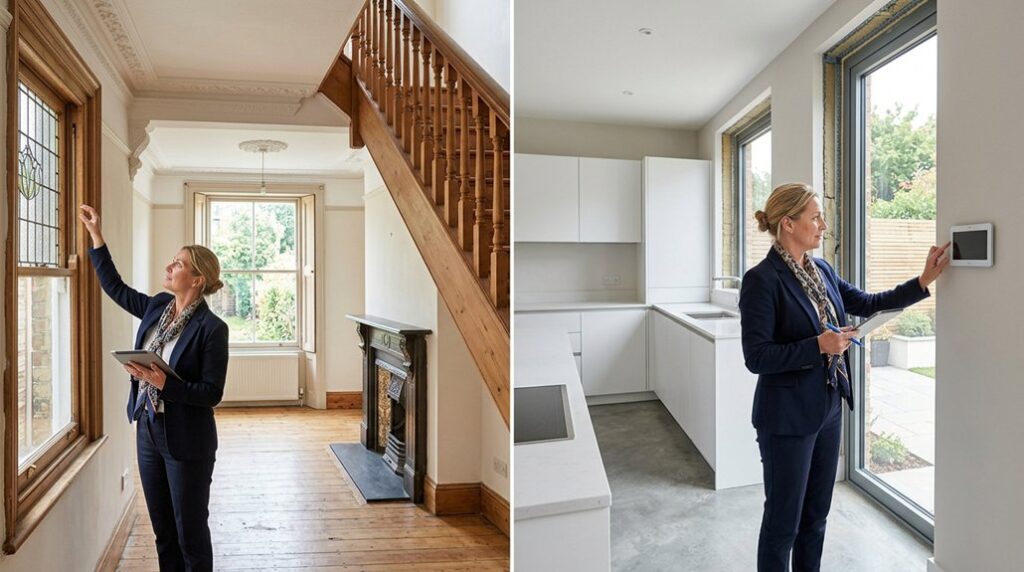
When you ask a local estate agent to value your home, they’ll assess more than size and location. For a period property, they’ll examine original joinery, natural stone, roof structure, craftsmanship, and whether renovations respect the building’s character. For a modern home, they’ll focus on construction quality, insulation, energy performance, appliances, warranties, and regulatory compliance. Condition, documented improvements, and comparable sales then shape the figure—but small details can shift the valuation more than you expect.
Key Takeaways
- Location, size, layout, condition, comparable sales, and current local demand influence valuations for both period and modern properties.
- Period homes gain value from authentic features, such as fireplaces, sash windows, cornices, original floors, proportioned rooms, and quality craftsmanship.
- Modern homes are assessed for construction consistency, energy efficiency, insulation, glazing, compliant services, and contemporary design quality.
- Renovations increase value when sympathetic and well executed, while poor alterations, unsuitable materials, or unfinished work can reduce appeal.
- Invoices, guarantees, planning permissions, building-control certificates, EPCs, warranties, and photographs substantiate improvements and property quality.
How Estate Agents Set a Property’s Market Value?
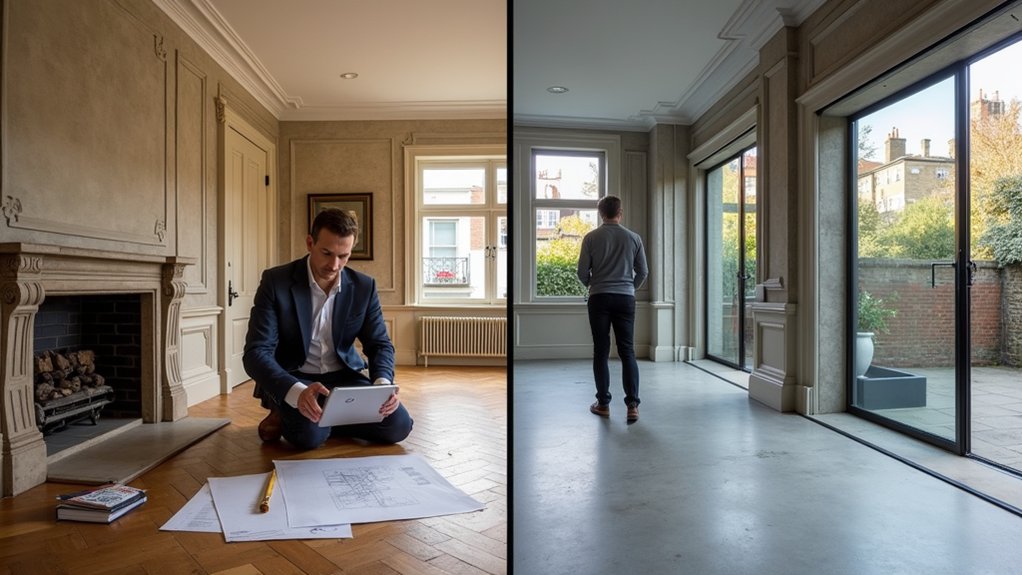
Estate agents set a property’s market value by comparing its location, floor area, layout, condition, and recent achieved sale prices for similar homes. You’ll see them assess structural integrity, roof condition, damp evidence, insulation, windows, services, and the quality of kitchen and bathroom installations.
They’ll distinguish cosmetic wear from costly defects, then adjust their assessment for extensions, conversions, parking, gardens, and energy performance. Material choices matter: solid timber, natural stone, and durable joinery may support buyer appeal, while poor modern replacements can reduce confidence.
Agents also study Market trends, including supply, demand, mortgage affordability, and local buyer preferences. Their Pricing strategies may position your home competitively, allowing for negotiation without undermining perceived value.
Ask which comparable sales support the valuation and which repairs could improve its market position.
What Makes Period Properties More Valuable?
Beyond comparable sales and condition, period homes can command more because their original architecture offers character that modern construction often struggles to replicate. When you inspect one, look for architectural authenticity in features such as proportioned rooms, ceiling roses, sash windows, panelled doors, fireplaces, and exposed timber. These elements reflect skilled craftsmanship and can create a stronger emotional response than standard finishes.
Durable materials, including natural stone, handmade brick, slate, and old-growth timber, may also support value when they remain sound and repairable.
Historical significance adds another layer, particularly where a property retains documented associations, distinctive detailing, or a place within a conservation area. You’ll need to distinguish genuine fabric from later imitations, then assess whether sympathetic renovation can preserve these qualities without compromising structural integrity, usability, or buyer appeal.
How Modern Homes Gain a Pricing Advantage?
When you assess a modern home, you’ll often find high-performance insulation, efficient glazing, and contemporary heating systems that reduce energy use.
Durable materials and newer building systems also mean you’ll face fewer repairs and lower maintenance costs. These practical savings can give modern properties a clear pricing advantage.
Energy Efficiency
How much will energy efficiency influence your home’s valuation? A modern property can gain a pricing advantage when its construction limits heat loss and controls energy demand.
As you assess value, you’ll want to examine insulation depth, cavity-wall construction, airtightness, glazing, and the efficiency of the heating system. Double or triple glazing, insulated roofs, and thermally efficient doors create measurable performance benefits, while solar panels or heat pumps may strengthen buyer appeal when properly installed and documented.
Energy ratings provide a useful comparison, but an agent will also consider running-cost evidence and the quality of each upgrade.
A period home may offer historic charm, yet solid walls, single glazing, and restrictive construction details can make improvement more complex.
Sensitive secondary glazing, breathable insulation, and carefully specified materials can narrow that gap without compromising character.
Lower Maintenance Costs
Energy efficiency can reduce monthly bills, while lower maintenance costs can strengthen a modern home’s valuation. When you assess a newer property, inspect its roof coverings, cladding, windows, and drainage rather than assuming everything is trouble-free.
Durable materials, sealed insulation, composite doors, and factory-finished joinery typically resist rot, corrosion, and weathering better than traditional timber and masonry details. That reduces your likely spending on repainting, repointing, replacement glazing, and urgent repairs—an advantage buyers may reflect in their offers.
You should also consider garden maintenance. A compact, professionally landscaped plot with permeable paving and low-maintenance planting can cost less to manage than extensive period gardens.
Clean lines and resilient finishes preserve exterior aesthetics without demanding constant attention. For valuation purposes, documented warranties, service records, and compliant construction help you demonstrate predictable ownership costs and reinforce the modern home’s pricing advantage.
Which Features Affect a Period Home’s Value?
A period home’s value often rests on the condition, authenticity, and usefulness of its original features. You’ll usually attract stronger valuations when cornices, ceiling roses, panelled doors, fireplaces, staircases, and sash windows remain intact. These Architectural details reveal craftsmanship that modern substitutes rarely match, provided timber, plaster, and masonry are sound rather than heavily repaired.
Historical significance can add further appeal, especially when your property retains documented features, a recognised architectural style, or links to local development.
Proportion matters too: tall ceilings, generous room layouts, original floorboards, and well-positioned windows can make the structure feel distinctive and adaptable. A sympathetic kitchen or bathroom upgrade may support value, but aggressive alterations can undermine character.
Protecting original materials, repairing them with compatible methods, and maintaining coherent detailing helps you present the home’s strongest assets during valuation.
Why Energy Efficiency Matters in Modern Homes?
Modern homes often command stronger valuations because their energy-efficient construction reduces running costs and improves everyday comfort. As you assess one, look for high-performance insulation in walls, roofs, and floors, alongside low-emissivity glazing and thermally broken frames. These materials limit heat loss, helping you maintain steadier indoor temperatures with less energy.
Efficient boilers, heat pumps, mechanical ventilation, and airtight construction can further strengthen a property’s appeal, particularly as buyers scrutinise future household bills. Renewable energy, such as roof-mounted solar panels, may add measurable value when installation quality and performance records are clear.
Smart technology also matters: programmable heating, energy monitoring, and automated shading give you tighter control over consumption. Local agents recognise these features as practical financial benefits, not merely modern conveniences, and reflect that evidence in market comparisons and valuation advice.
How Condition and Renovation Change Valuations?
You’ll often secure a stronger valuation when original features—such as timber floors, fireplaces, and cornices—remain sound and well maintained. However, poor condition can reduce their appeal.
A renovation using appropriate materials, skilled workmanship, and structural care can add substantial value. Examine how authenticity, durability, and finish influence an estate agent’s assessment.
Original Features And Condition
Original features can strengthen a period home’s valuation when they’re authentic, well-preserved, and suited to the property’s structure—think fireplaces, sash windows, cornices, timber floors, and panelled doors. They give you historic charm while revealing the building’s original proportions, materials, and craftsmanship.
An agent will inspect whether timber remains sound, glazing operates properly, plaster is stable, and decorative architectural details survive without serious deterioration. Neglected features can reduce value when they suggest damp, movement, rot, or expensive specialist attention.
You should also consider how alterations affect character: removing joinery, blocking fireplaces, or replacing breathable finishes with impermeable materials may weaken a period home’s appeal.
In a modern property, buyers generally prioritise consistent construction, efficient systems, and a clean, serviceable condition over heritage fabric or historic detailing.
Renovation Quality And Value
Renovation quality can materially shift an estate agent’s valuation because buyers assess not only what’s been upgraded, but how well the work has been designed, specified, and executed. You’ll protect value when repairs address defects, improve performance, and respect the building’s construction.
In a period home, inappropriate uPVC windows, cement render, or concealed timber can undermine Architectural integrity and erase Historical significance, even when the finish looks polished. Conversely, lime plaster, breathable insulation, correctly matched masonry, and carefully restored joinery signal durable workmanship.
In a modern home, valuers usually prioritise compliance, energy efficiency, kitchen and bathroom specification, and evidence of professional installation. You’ll also strengthen your position with building-regulation certificates, warranties, and clear invoices.
Poorly coordinated extensions, cosmetic patching, or unfinished details can reduce value by creating immediate costs and technical uncertainty.
What Evidence Supports the Final Property Valuation?
A sound valuation is supported by comparable local sales, recent upgrades, planning records, and clear evidence of the home’s construction quality. You should provide invoices, guarantees, building-control certificates, and photographs showing how work progressed.
For period properties, conservation approvals, original joinery, lime plaster, masonry, roof structure, and surviving features can demonstrate historical significance and architectural authenticity. An agent will distinguish sound restoration from cosmetic imitation, evaluating whether repairs respect the building’s fabric and use suitable materials.
For modern homes, EPC ratings, insulation specifications, structural warranties, window performance, and heating-system records help verify efficiency and durability. You’ll strengthen the assessment with a measured floor plan, drainage information, and documentation of extensions or alterations.
Clear evidence lets the valuer separate genuine added value from optimistic claims and price your property confidently.
Frequently Asked Questions
How Long Does a Property Valuation Appointment Usually Take?
A property valuation appointment usually takes 30–60 minutes. You’ll discuss property history, inspect materials, finishes, structure, and renovation quality, while home staging helps presentation. Prepare improvement records, so your agent can assess value accurately.
Should I Declutter Before Inviting an Estate Agent to Value My Home?
Yes, declutter first—because valuers mysteriously dislike maneuvering mountains of belongings. Improve home staging, preserve architectural details, and sharpen curb appeal. You’ll reveal room proportions, maintenance quality, materials, and renovation potential without disguising your home’s character.
Can I Request Valuations From Multiple Local Estate Agents?
Yes, you can request valuations from multiple local estate agents. Compare their Multiple valuations through Comparative analysis, asking how they assess structure, renovation quality, materials, extensions, energy upgrades, and period detailing before choosing your preferred agent.
What Documents Should I Prepare for a Property Valuation?
Prepare your title deeds, planning permissions, building-regulation certificates, guarantees, recent improvement invoices, and energy certificate. Include property history, survey reports, and floor plans, helping agents apply suitable valuation methods to renovated structures and materials.
Does the Valuation Affect My Council Tax or Insurance Premiums?
A valuation typically doesn’t change your property tax or council-tax bill; councils use separate bands. However, it can influence insurance costs, since rebuild estimates, materials, extensions, and period features affect your insurer’s assessment and premiums.
Conclusion
When a local estate agent values your home, they’ll weigh more than size and location. A period property earns attention through authentic materials, craftsmanship, and sympathetic upgrades, while a modern home gains strength from efficient construction, compliance, warranties, and contemporary systems. Keep clear records, photographs, guarantees, and renovation details to support your asking price. Ultimately, every feature must stand the test of time: protect original character, improve performance, and let the evidence speak for itself.