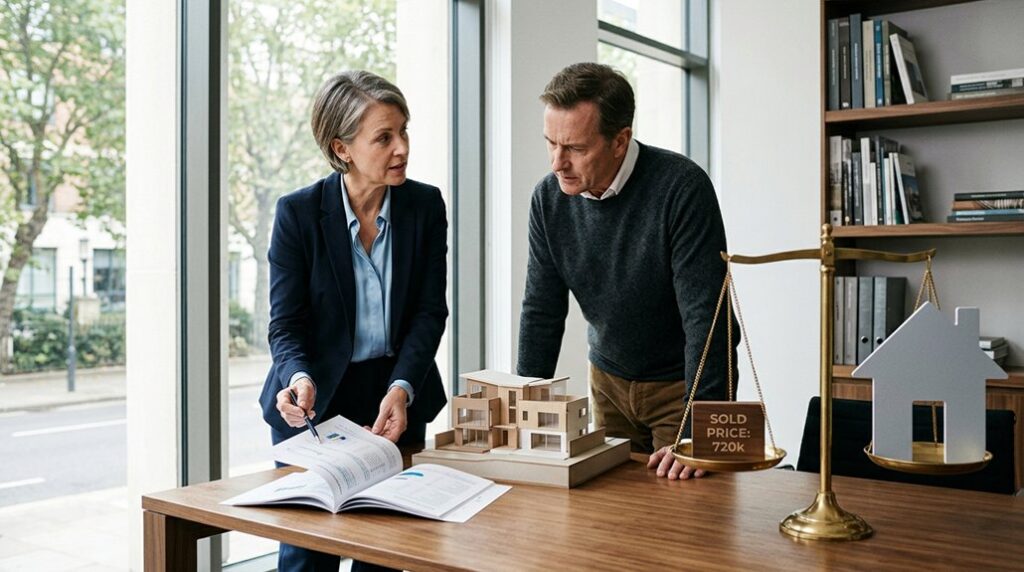
A higher valuation may look appealing, but a realistic figure can help you sell faster and protect your return. Start with a professional assessment, then compare recent local sales, your property’s condition, renovation quality, and current buyer demand. If an estimate seems unusually high, question the evidence behind it before setting your asking price. Markets shift, and the right value today may change sooner than you expect.
Key Takeaways
- Start with an independent, evidence-based valuation considering location, size, condition, construction quality, and documented improvements.
- Compare at least three recent local sales with similar layouts, ages, renovation levels, and conditions—not merely higher-priced properties.
- Challenge inflated valuations by examining transaction evidence, adjustment calculations, data dates, and assumptions about luxury features.
- Assess current competition, buyer demand, mortgage rates, days on market, and price reductions before setting your asking price.
- Price improvements according to market-supported value, because construction costs and the highest valuation do not guarantee stronger equity or a faster sale.
Start With a Professional Property Valuation

Start with a professional property valuation to establish an evidence-based estimate of your home’s current market value. A qualified valuer assesses location, floor area, construction quality, condition, and legally documented improvements. You’ll receive a defensible baseline for your pricing strategy rather than relying on an optimistic online calculator or emotional attachment.
Ask the valuer to separate essential repairs from renovations that could increase buyer appeal. They can estimate how updated kitchens, bathrooms, insulation, roofing, or energy-efficient systems may influence value, while identifying upgrades unlikely to recover their cost. Provide permits, plans, invoices, and details of recent work to improve valuation accuracy.
Use the report to set realistic expectations before commissioning renovations. You’ll make better decisions about where to invest, which defects to address, and whether your target price reflects the property’s actual condition and market position.
Compare Recent Local Property Sales
Compare recent comparable sales in your area to see what buyers are actually paying for similar properties.
Track local market trends, then adjust your estimate for differences in layout, condition, extensions, and renovation quality.
This approach helps you price improvements realistically rather than assuming every upgrade adds equal value.
Analyze Recent Comparable Sales
Recent comparable sales give you the clearest evidence of what buyers are paying for similar homes in your area. Review at least three nearby properties sold within the past three to six months, matching size, layout, age, lot, and condition. Don’t compare a renovated kitchen with dated cabinetry without adjusting the value.
- Check sale dates and account for Market fluctuations without forecasting broader trends.
- Separate genuine improvements—roof, HVAC, bathrooms, insulation—from cosmetic staging.
- Ask whether unusual concessions or appraiser bias influenced the recorded price.
Use a per-square-foot figure only as a starting point; room count, functional layout, and renovation quality matter more. Verify listing photos, permits, and final sale terms with your agent or appraiser.
If your home has superior systems or workmanship, document invoices and warranties so the comparison supports a defensible adjustment.
Focus on Local Market Trends
Beyond individual comparable sales, you’ll need to assess the direction of your local market by reviewing several nearby transactions over the past three to six months. Track sale prices, days on market, list-to-sale ratios, and the frequency of price reductions. Rising prices and faster sales may support a stronger valuation, while stagnant activity signals caution before you invest in renovations.
Examine Neighborhood demographics, including household growth, income levels, and buyer preferences, because these factors can influence demand for updated kitchens, energy-efficient systems, or additional living space. Review zoning regulations and permit activity for changes that could affect density, parking, or future construction nearby.
Use this evidence to identify whether your market rewards specific improvements, then set a valuation that reflects current momentum rather than an outdated peak.
Adjust for Property Differences
Once you’ve identified current market trends, adjust each comparable sale for differences that materially affect value. Compare location, land size, floor area, layout, condition, parking, views, and recent renovations—not just the advertised price.
A dated kitchen or ageing roof can reduce value, while a new bathroom, insulation, or energy-efficient heating may justify a premium. Quantify each difference using local evidence, contractor estimates, and buyer demand rather than guesswork.
- Deduct realistic replacement costs for deferred maintenance, allowing for risk and inconvenience.
- Add value for quality renovations, but avoid assuming every dollar spent returns fully.
- Check whether unusual property features genuinely attract buyers in your suburb.
Record your valuation adjustments in a comparison table, then test the result against multiple sales. If one comparable needs extreme adjustments, exclude it; reliable evidence should support, not distort, your valuation conclusion.
Factor In Your Property’s Condition
A property’s condition directly affects its market value, because buyers and valuers account for the cost, time, and risk of necessary repairs. Before seeking a valuation, inspect the roof, structure, plumbing, electrics, damp, insulation, windows, and heating system. Obtain specialist reports where defects could affect safety or financing, then price property repairs using written contractor estimates.
Prioritise work that prevents deterioration or removes significant objections, rather than assuming every renovation will return its full cost. Cosmetic improvements can still strengthen presentation: fresh paint, repaired flooring, improved lighting, and tidy landscaping are practical aesthetic upgrades.
Keep invoices, warranties, permits, and before-and-after photographs to demonstrate quality and compliance. A valuer can then distinguish maintained features from unresolved defects and apply more reliable evidence when evaluating your property’s underlying condition and likely sale value.
Measure Current Buyer Demand
Measure current buyer demand before pricing renovations or setting your valuation. Analyze local buyer trends, track recent sales activity, and compare your property with competing listings.
You’ll then know which upgrades can improve market appeal and support a defensible asking price.
Analyze Local Buyer Trends
Local buyer trends reveal how much demand your property can attract and which features influence offers. Study Neighborhood dynamics by monitoring school interest, commuting patterns, employment growth, and planned infrastructure. Then compare Buyer preferences across listings and buyer feedback to identify renovation priorities, not assumptions.
- Track requests for home offices, storage, energy efficiency, parking, and outdoor space.
- Note whether buyers favor updated kitchens, flexible layouts, low-maintenance exteriors, or move-in-ready finishes.
- Ask local agents which improvements reduce objections and which upgrades rarely recover their cost.
Use this evidence to assess your home’s competitive appeal before setting a valuation. A modest renovation may align the property with current demand, while an expensive, highly personalized project could narrow your audience.
Weigh each improvement against neighborhood expectations, buyer budgets, and functional needs. This approach helps you price realistically without overcapitalizing on renovations.
Track Recent Sales Activity
Buyer preferences show what attracts attention; recent sales show what buyers actually paid. Review closed transactions from the past three to six months, prioritizing homes with comparable size, age, condition, and renovation quality.
Adjust each sale for meaningful differences, such as a remodeled kitchen, updated bathrooms, energy-efficient systems, or deferred maintenance. Don’t rely on asking prices: they reflect seller expectations, not proven demand.
Note Market fluctuations by comparing sale prices, days on market, and any concessions across several periods. Sale timing also matters; a transaction during a holiday slowdown may understate value, while a low-inventory month may inflate it.
Your valuation should reflect the latest completed sales, not an outdated average. If renovation work remains unfinished, estimate its contributory value conservatively and subtract completion costs, permitting risks, and likely buyer discounts.
Assess Current Market Competition
What’re comparable homes competing with yours right now? Study active listings, not just completed sales, to measure buyer demand and market saturation.
Compare price per square metre, days on market, renovation quality, floor plans, energy upgrades, and photography. A recently renovated kitchen may justify a premium, but competing homes with newer bathrooms or better outdoor space can weaken your position.
Apply pricing psychology: buyers often reject a property that sits above a clear neighbourhood threshold, even when improvements support the difference.
- Record each competitor’s asking price, incentives, and listing age.
- Note which renovations appear repeatedly, revealing buyer expectations.
- Ask your agent about inspections, offers, and price reductions.
Use this evidence to adjust your valuation, prioritising improvements that close a competitive gap rather than adding costly features buyers won’t reward.
Recheck listings weekly because demand and competition can shift quickly.
Question an Unusually High Valuation
When a valuation comes in far above comparable sales, question the evidence before assuming your property is worth more. Ask the valuer which recent transactions support the figure, how closely they match your location, floor area, condition, and renovation quality.
A renovated kitchen or upgraded bathroom can justify a premium, but cosmetic improvements rarely support a dramatic gap. Check whether the report relies on trophy properties, outdated data, or adjusted comparisons that aren’t truly similar.
Request a written breakdown of each adjustment and challenge unsupported assumptions. Watch for luxury exaggeration, especially when high-end finishes don’t match the surrounding market.
An appraisal overreach can also arise when a valuer rewards construction cost rather than buyer demand. Independent valuations and contractor records can help you test the conclusion before relying on it.
Choose the Right Asking Price
Set your asking price slightly above the property’s evidence-based market value to leave room for negotiation without deterring qualified buyers. Base that figure on comparable renovated homes, your finish quality, and measurable improvements—not emotional pricing driven by renovation costs. Pricing psychology matters: a clean, specific figure can signal confidence, while an inflated round number may push buyers toward better-value alternatives.
Before listing, separate upgrades that add market value from personal preferences:
- Prioritize kitchen, bathroom, energy-efficiency, and structural improvements in your valuation.
- Adjust for unfinished work, dated systems, or permits that buyers may need to resolve.
- Define your minimum acceptable price and negotiation boundaries with your agent.
Present invoices, warranties, permits, and before-and-after photographs to support your asking price. A defensible figure attracts serious viewings, protects your negotiating position, and reduces the risk of chasing buyers away with unrealistic expectations.
Review the Valuation as Markets Change

As market conditions shift, revisit your valuation rather than relying on the figure established at launch. Track comparable sales, mortgage rates, buyer demand, and local inventory every few weeks. These indicators reveal whether market fluctuations have increased or reduced your property’s likely sale price.
Reassess after completing renovations, too. A new kitchen, upgraded insulation, or improved curb appeal can raise value, but only if similar homes support the investment. Ask your valuer to separate construction cost from market-supported added value; spending £20,000 doesn’t automatically create £20,000 in equity.
Request an updated appraisal when your property remains unsold, competing listings change significantly, or buyers repeatedly challenge the price. Document improvements with invoices, permits, and photographs to strengthen valuation accuracy.
A current figure helps you adjust strategically, protect your negotiating position, and avoid chasing yesterday’s market.
Frequently Asked Questions
What Documents Should I Prepare Before Arranging a Property Valuation?
Prepare your title deeds, surveys, planning permissions, building-regulation certificates, renovation invoices, guarantees, utility details, and recent property history. Include comparable sales and market trends to help your valuer assess improvements accurately and defensibly.
How Long Does a Typical Property Valuation Appointment Take?
A valuation appointment typically takes 30–60 minutes. Think of your valuer as a renovation detective: you’ll tour each room, discuss upgrades, and review Market trends, improving valuation accuracy without rushing the inspection or overlooking defects.
Can I Challenge a Valuation I Believe Contains Factual Errors?
Yes, you can challenge factual errors. Document incorrect measurements, renovation dates, comparable properties, or missing improvements, then request corrections through the dispute process. Supporting evidence strengthens valuation accuracy and may prompt a revised report.
Who Pays for an Independent Property Valuation?
You’ll usually pay for an independent valuation yourself—because challenging errors rarely comes free. Compare market trends, confirm valuation accuracy, and request renovation-focused evidence; your lender, buyer, or solicitor may reimburse costs if responsibility shifts.
Does a Property Valuation Guarantee the Final Selling Price?
No, a property valuation can’t guarantee your final selling price. You’ll still face Market trends, buyer demand, and negotiation. Improve valuation accuracy by documenting renovations, correcting defects, and presenting credible upgrade costs to buyers.
Conclusion
A realistic property valuation gives you a stronger selling strategy than an inflated estimate. By comparing local sales, evaluating renovation quality, and tracking buyer demand, you’ll set a price that attracts serious interest without sacrificing value. Treat your valuation like a building plan: accurate measurements support every decision. If market conditions shift, review the figure and adjust promptly. The right asking price can shorten your sale, strengthen negotiations, and help you recover worthwhile renovation costs.