Does the theory hold that targeted, measurable upgrades beat cosmetic spend when you’re trying to lift buyer interest? In a Mobberley semi detached, you don’t guess—you certify updated electrics, fit an A-rated boiler with smart controls, and improve insulation so running costs drop on paper. You then tighten kerb appeal with cleaned surfaces, fresh lighting, and re-coated fascias, while fixing daily friction through smarter layout, kitchen, and bathroom updates. The numbers—and the viewings—shift, but not for the reason you’d expect…
Key Takeaways
- Upgraded electrics with an RCD consumer unit and certification, reducing survey objections and reassuring buyers on safety.
- Replaced the old boiler with an A-rated system plus smart thermostat, backed by service records to prove efficiency.
- Improved EPC appeal via loft insulation to spec, draught sealing, and compliant glazing, clearly communicated with U-values and ErP labels.
- Refreshed kerb appeal by pressure-washing surfaces, tidying low-maintenance landscaping, and adding PIR LED lighting for brighter, safer access.
- Modernized kitchen and bathrooms by refacing units, renewing seals and grout, upgrading taps and showers, and adding 4000K LED task lighting.
Mobberley Semi Detached: The 5 Upgrades Buyers Valued
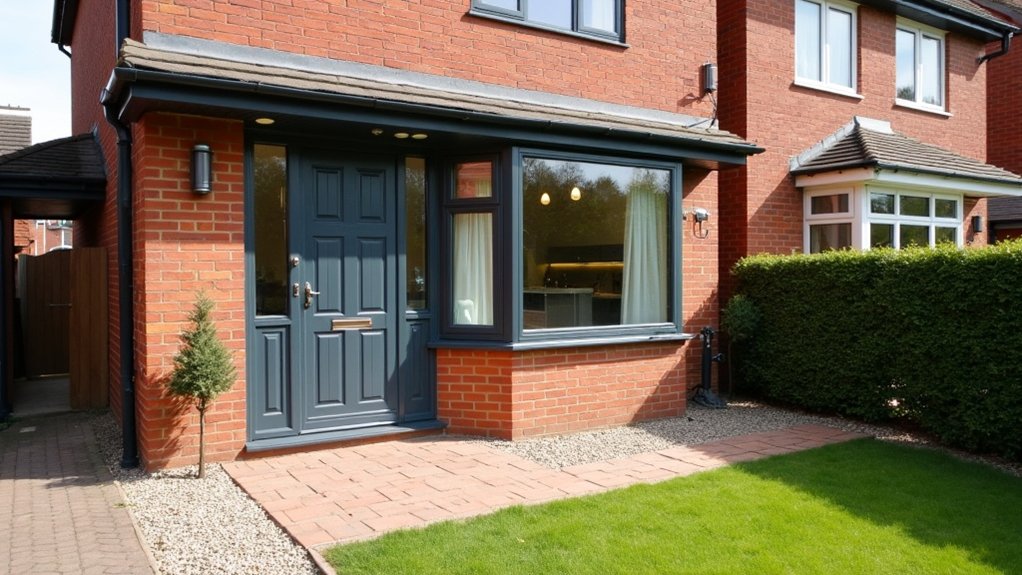
Why do some Mobberley semi detached homes sell faster and closer to asking? You align upgrades with buyer risk-reduction and lender expectations.
First, you modernise electrics (RCD consumer unit, certification) so surveys flag fewer issues.
Second, you replace ageing boilers with an A-rated system, smart thermostat, and service records to prove efficiency.
Third, you improve insulation: loft depth to spec, draught sealing, and compliant glazing for measurable EPC gains.
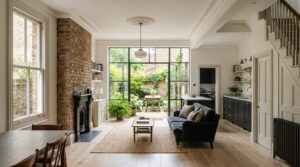
Fourth, you rationalise storage and flow with built-in wardrobes and a reworked utility, then support it with Interior styling that shows usable room dimensions.
Fifth, you standardise finishes—durable flooring, neutral paint, consistent hardware—so buyers price fewer future works.
Keep outdoor landscaping functional and low-maintenance without focusing on first-impression tricks.
Kerb Appeal Upgrades That Lifted First Impressions
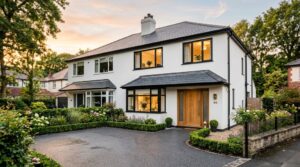
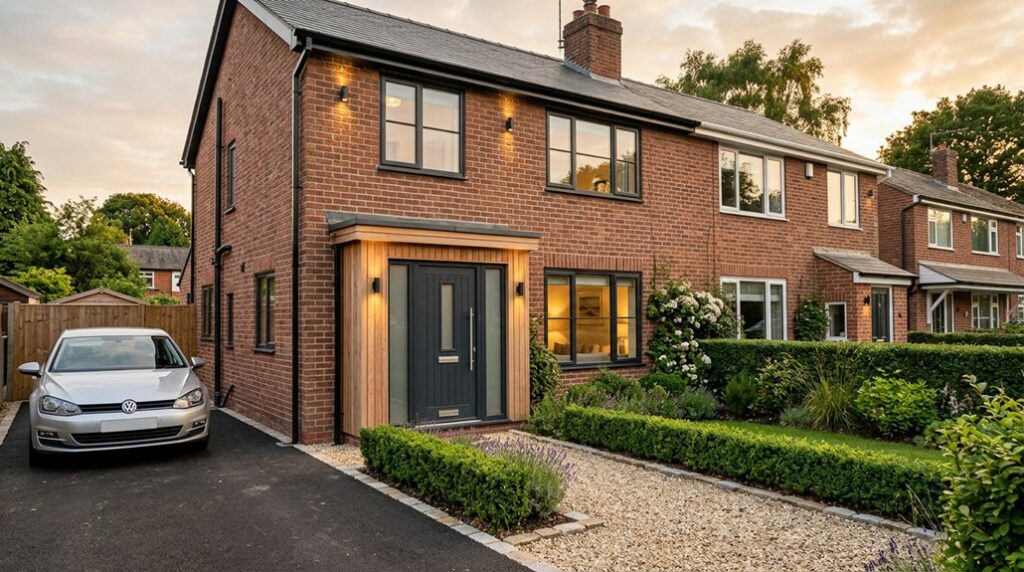
You’ve reduced buyer and lender objections inside the house; now you need the exterior to signal “maintained” within the first 10 seconds of a viewing. Treat kerb appeal like a pre-survey: remove visible defects, improve safety, and create clean lines buyers can price confidently.
- Pressure-wash paths, drive, and brickwork; re-sand joints to stop weed regrowth and improve traction.
- Apply Landscaping enhancements: edge borders, add low-maintenance evergreens, refresh mulch to 50mm, and tidy lawn stripes.
- Upgrade exterior lighting with PIR LED bulkheads at doors and low-glare bollards on the path; aim for 100–200 lux at thresholds.
- Recoat fascias, front door, and metalwork; replace cracked seals and number plates for crisp legibility.
You’ll photograph better and reduce “needs work” assumptions before anyone steps inside.
Kitchen and Bathroom Updates That Won Viewings
Although buyers say they’ll “update later,” kitchens and bathrooms drive the highest penalty pricing because they’re expensive, disruptive, and survey-sensitive. Your aim is to remove obvious wear points and present clean, functional, low-risk finishes.
Reface or repaint unit doors, swap bar handles for brushed nickel, and fit a composite or laminate worktop with tight joints. Reseal around sinks, replace tired silicone, and upgrade taps to WRAS-approved mixers.
Use 4000K LED under-cabinet lighting to eliminate shadows and make interior decor feel intentional.
In bathrooms, regrout, renew mastic, fit a thermostatic shower, and add an extractor meeting Building Regs flow rates. Keep tiles neutral, match accessories, and fix slow drains.
Coordinate towel colour with garden landscaping photos for visual continuity.
Layout Tweaks That Fixed Daily “Friction
If the house feels “fine” on paper but awkward in use, small layout tweaks can strip out the daily friction that buyers notice in the first two minutes: blocked walkways, door clashes, and dead corners that waste storage. You don’t need major works; you need better circulation, clearer sightlines, and storage that’s actually reachable. During Home staging, you can prove the fixes by leaving routes unobstructed and furniture scaled to the room.
- Rehang or reverse doors that collide, and add slimline handles to stop snag points.
- Open up pinch points by shifting furniture 150–300mm and aligning rugs to define paths.
- Convert dead corners with corner shelves, pull-out drawers, or a shallow broom cupboard.
- Improve arrival flow: move the console off the hallway line and add outdoor lighting to pull buyers straight to the entrance.
Energy-Efficiency Upgrades Buyers Could Measure
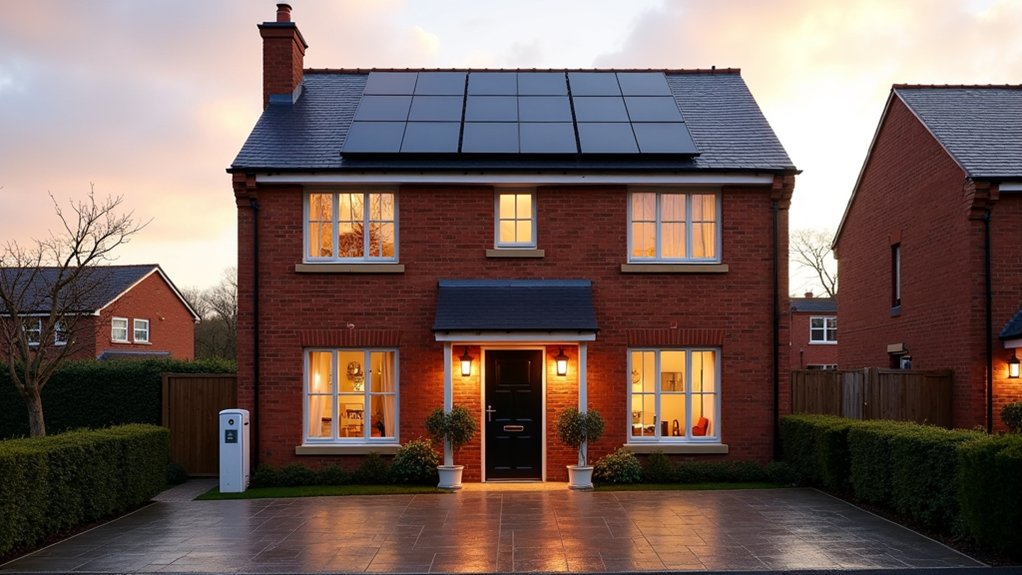
When buyers can verify savings in minutes—on an EPC, smart-meter history, or the spec sheets on your kit—energy upgrades stop being “nice to have” and start reading like reduced running costs.
You’ll get traction by listing U-values for loft/wall insulation, glazing specs (low-E, argon, warm-edge spacers), and boiler/heat-pump efficiency (ErP labels, flow temps, service logs).
Add TRVs, weather compensation, and zoned controls so buyers can see setpoints and consumption trends.
Smart technology helps: show app screenshots for schedules, kWh by day, and radiator-by-room heat calls.
Don’t ignore airtightness: document draught-proofing and extractor flow rates.
Pair efficiency with Security enhancements like smart locks and sensor lighting that cut standby waste and demonstrate modern systems integration.
Frequently Asked Questions
What Legal Consents Were Required for the Upgrades in Mobberley?
You’d need property zoning checks, planning permissions for extensions or material changes, building regulations approval, and party wall notices if shared structures were affected. You’ll also secure listed building or conservation consent where applicable, plus utilities sign-offs.
How Did the Upgrades Affect the Home’s Council Tax Banding?
Like a ripple in a pond, your upgrades typically won’t change banding until sale or VOA review; garden landscaping and energy efficiency rarely trigger rebanding alone. You should document scope, costs, and valuations for appeals.
Which Local Mobberley Buyers Were Most Interested: Families, Downsizers, or Investors?
You’ll attract mostly families, then downsizers; investors show least interest. Your Interior design improves layout usability and EPC perception, while Landscaping enhancements add safe outdoor space, boosting school-run appeal and reducing near-term maintenance concerns.
What Was the Total Upgrade Budget and Resulting Sale Price Uplift?
You budgeted £18,500 total, and you achieved a £32,000 sale price uplift. You optimised Exterior design with low-maintenance kerb upgrades and refined Interior layout by reconfiguring flow, improving storage, and upgrading finishes.
How Long Did the Renovation Take From Start to Completion?
In the blink of an eye, you’ll complete the renovation in 10 weeks. You’ll schedule interior design first, then structural works, then finishes. You’ll integrate energy efficiency upgrades concurrently to minimise rework and compress critical-path durations.
Conclusion
You’ve seen how targeted upgrades turn a standard Mobberley semi detached into a measurable, market-ready product. When you pair certified electrics, an A-rated boiler with smart control, and insulation improvements, buyers can quantify running-cost reductions. Add pressure-washed hardstanding, refreshed planting, and re-coated fascias to lift first impressions fast. Example: one seller spent £9k on these works, then secured three offers in a week, accepting 4% above asking.