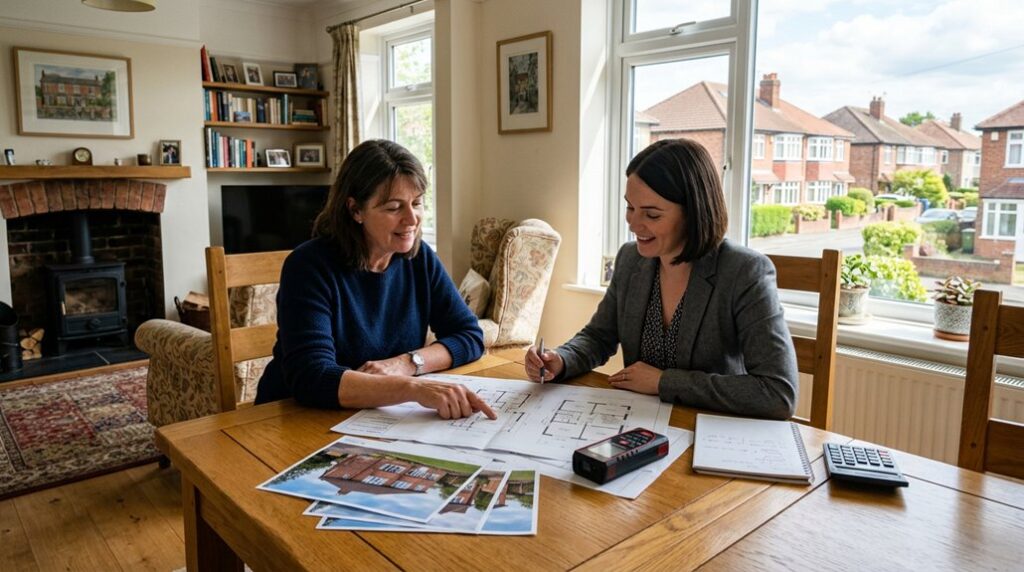
Your home’s valuation isn’t simply a guess based on its size or postcode; small details, such as presentation, recent improvements and comparable local sales, can shift the figure considerably. You’ll usually encounter different approaches from estate agents, surveyors and mortgage lenders, each serving a distinct purpose. By understanding how they assess your property and what evidence they rely on, you can set realistic expectations, prepare effectively and avoid costly misunderstandings—especially when the figures don’t match.
Key Takeaways
- A property valuation estimates likely market value using size, condition, layout, location, features, comparable sales, and current market trends.
- Estate agents inspect the property, assess buyer appeal, and adjust recent local sales evidence for differences in specification and condition.
- Surveyors provide independent valuations for lenders, who use them to confirm the property offers adequate mortgage security.
- Value is influenced by demand, supply, mortgage rates, parking, outdoor space, energy efficiency, transport, amenities, and potential defects.
- Sellers can support accurate valuations by decluttering, completing repairs, improving presentation, documenting improvements, and providing relevant property documents.
What Is a Property Valuation?

A property valuation is an informed estimate of how much your home could sell for on the current market. It gives you a realistic price range, helping you set expectations before marketing, refinancing, or planning your next move.
A valuation considers your property’s size, condition, layout, location, and distinctive features, alongside comparable homes and current market trends. It isn’t the same as a guaranteed sale price: demand, presentation, negotiation, and changing conditions can affect the final result.
Different valuation methods may produce slightly different figures. A comparative approach examines similar local sales, while an income-based or replacement-cost approach may suit specific property types.
You’ll get the most useful assessment when the information is accurate, recent, and supported by relevant evidence. Use it as a careful planning tool, not a promise.
How Estate Agents Value Your Home
When an estate agent values your home, they’ll inspect its condition, measure its accommodation, assess improvements, and compare it with recent local sales.
They’ll note features that influence buyer demand, such as parking, outdoor space, energy efficiency, layout, storage, and presentation.
Your agent will research current Market trends, including supply levels, buyer activity, and achievable sale prices for similar properties.
They’ll also consider your location, nearby transport links, schools, amenities, and any planned developments.
Rather than relying on one comparison, they’ll adjust evidence for differences in size, condition, and specification.
Their Pricing strategies may include setting a competitive asking price, creating a pricing range, or positioning your home to attract multiple offers.
Ask which sales support the valuation, what improvements could strengthen your listing, and how they’ll review the price if interest remains low.
How Surveyors and Lenders Assess Value
An estate agent’s market appraisal helps set your asking price, but surveyors and lenders assess value for different purposes. A surveyor provides an independent opinion, usually for a buyer’s mortgage application or a formal report. They’ll review comparable sales, current Market trends, and suitable valuation methods, then produce a reasoned figure supported by evidence.
A lender’s valuation focuses on security: it checks whether the property provides sufficient collateral for the proposed loan. This assessment may involve a physical inspection, a desktop review, or an automated valuation model. It isn’t a full structural survey, and it doesn’t confirm every defect.
You should consequently avoid treating the lender’s figure as a guarantee of sale price. If it comes in below your agreed price, the buyer may need to renegotiate, increase their deposit, or withdraw. Ask to see the valuation report where available.
Which Factors Affect Your Property’s Value?
Your property’s value reflects more than its size: location, condition, layout, parking, outdoor space, energy efficiency, and local demand all influence what buyers may pay.
Market trends also matter: rising buyer demand, mortgage rates, and limited local supply can shift achievable prices quickly.
A surveyor will consider comparable sales, but distinctive features may increase or reduce your property’s appeal.
A quiet street, natural light, flexible rooms, and reliable broadband can strengthen value, while structural concerns, poor insulation, awkward access, or lease restrictions may weaken it.
Neighborhood analysis helps assess nearby schools, transport links, amenities, crime levels, development plans, and competing listings.
Your property’s tenure, service charges, council tax band, and planning permissions can affect affordability and buyer confidence.
Values thus reflect both the home itself and its wider market context.
How to Prepare for an Accurate Valuation

Preparing thoroughly helps a valuer assess your property accurately and supports a realistic asking price. Clean every room, clear clutter, and complete small repairs, such as replacing cracked tiles, fixing dripping taps, or touching up scuffed paint.
Improve kerb appeal by mowing the lawn, trimming hedges, cleaning windows, and ensuring the entrance looks welcoming.
Create a concise list of improvements, including dates, costs, guarantees, and planning permissions. Explain any extensions, loft conversions, rewiring, or energy-efficiency upgrades, as documented work helps demonstrate renovation impact.
Gather title documents, floor plans, lease details, council tax information, and recent utility records.
Before the appointment, research local market trends and comparable sales, but don’t pressure the valuer toward a preferred figure.
Provide accurate room measurements and disclose defects honestly. Access to every area enables a more complete assessment.
Frequently Asked Questions
How Long Does a Property Valuation Appointment Usually Take?
You’ll usually spend 20–45 minutes on a valuation appointment, depending on your property’s size and complexity. During the Property valuation process, the valuer inspects rooms, measurements, condition, improvements, and comparable features.
Is a Property Valuation Legally Binding?
No, a property valuation isn’t legally binding; it’s an informed estimate. In ye olde terms, you’ll need a formal agreement for enforceability. Check legal implications, valuation accuracy, and lender requirements before relying on figures.
How Much Does a Professional Property Valuation Cost?
You’ll typically pay £150–£600 for a professional property valuation, depending on location, property size, and purpose. Ask what’s included, compare valuation methods, and prioritise valuation accuracy over choosing the cheapest provider.
Can I Challenge or Appeal a Property Valuation?
Yes, you can challenge a valuation: check comparable sales, request evidence, and explain errors. For a formal Challenging valuation, follow the lender’s Appeal process, submit documents promptly, and consider an independent surveyor’s review.
How Often Should I Have My Property Revalued?
Revalue your property every two to three years, or sooner after major improvements, significant Market trends, or when refinancing. Regular checks protect valuation accuracy and help you price confidently when selling or remortgaging.
Conclusion
A property valuation gives you a realistic starting point, not a guaranteed sale price. By understanding how agents, surveyors, and lenders assess your home, you can set sensible expectations and respond confidently to advice. Before the appointment, declutter, complete minor repairs, and gather records of improvements so your property makes the strongest impression. Think of preparation as polishing a window: it helps buyers see your home’s value clearly. With accurate information, you’ll be better placed to price, present, and negotiate effectively.